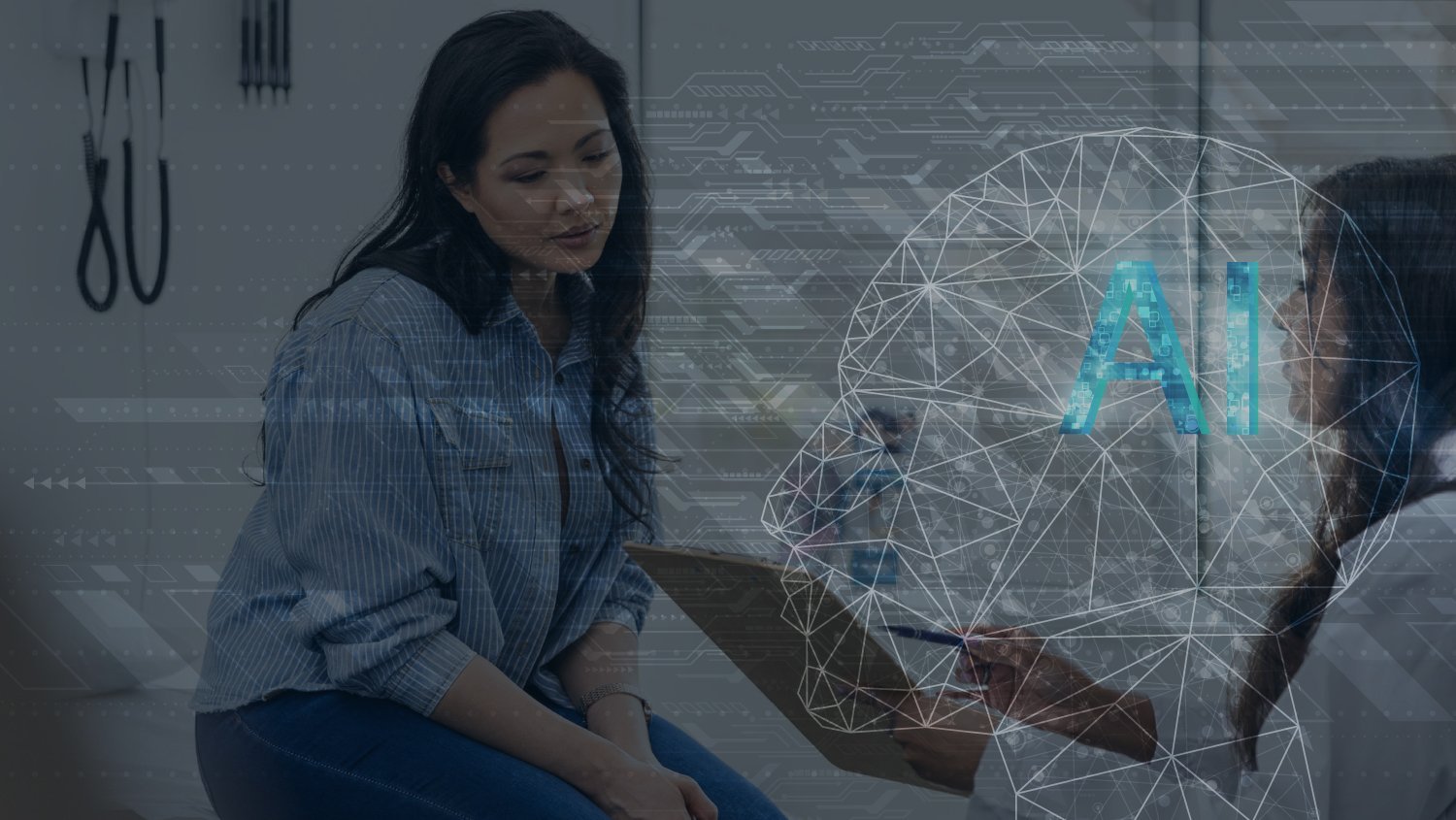
Black-box AI models like GPT-4 have fueled much of the skepticism in healthcare. While these tools can process massive amounts of data, they often draw conclusions from unreliable sources, including casual blogs and unverified internet content.
Despite affecting 85% of women in the U.S., menopause research has lived in the shadows of medical science. This gap isn't just about comfort—it's about women's lives. Now, an unprecedented convergence of artificial intelligence and women's health research is changing everything.
Imagine going to the doctor and finding out that the computer helping to diagnose you hasn't been properly tested. Sounds scary, right? Well, some researchers at the University of North Carolina (UNC) have discovered that this might be happening with many new medical tools that use artificial intelligence (AI).
We use necessary cookies to keep this site secure. With your permission, analytics cookies help us improve the website and marketing cookies help us measure campaigns.