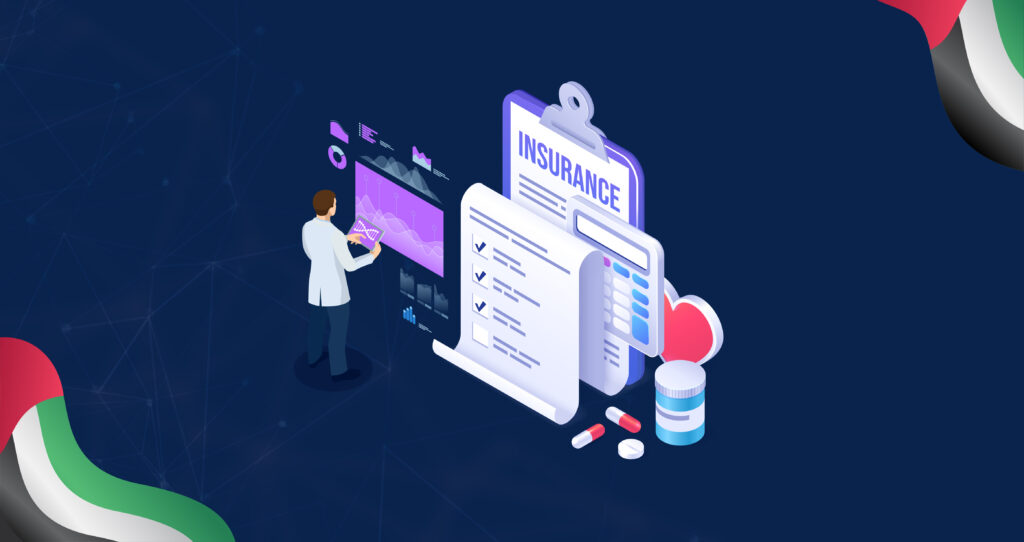
Dubai’s healthcare landscape is changing quickly, and the latest update from the Dubai Health Insurance Corporation (DHIC) marks one of the biggest shifts yet. The emirate has introduced a new claims management framework that focuses on compliance, digital accuracy, and real-time processing. These changes are designed to make healthcare smoother for patients, faster for insurers, and more accountable for providers.
But for hospitals, clinics, and medical centers, this update also brings new pressures. Documentation must be cleaner; claims must be submitted on time, and every detail needs to be standardized. In many facilities, this is pushing a major shift toward smarter digital tools and AI-supported workflows.
1. Pre-Authorization Timelines Are Now Extremely Tight
Under the new rules, healthcare providers must submit pre-authorization requests within one hour of a doctor’s order. Insurers are also expected to act faster, responding in:
- Six hours for elective outpatient requests
- 24 hours for elective inpatient cases
- Immediately for emergencies
This level of speed requires clinical teams and administrative teams to work almost in sync. Any delay in documentation, note writing, coding, or attachment collection can put a case outside these time limits.
This is why many facilities are adopting ambient AI scribes. These tools listen during the consultation, generate structured medical notes instantly, and free clinicians from typing. When documentation is ready for the moment the patient leaves the room, it becomes far easier to meet the one-hour pre-authorization requirement.
2. eClaimLink Submissions Are Mandatory, with Higher Expectations
Every claim now has to be submitted digitally through the eClaimLink platform, and the expectations around accuracy have increased significantly. Providers must submit:
- Verified patient identity
- Clean, structured documentation
- Proper coding
- Complete supporting evidence
- Accurate service details
Dubai’s new rules leave no room for missing attachments, unclear notes, or sloppy coding. If something is incomplete, the claim will be delayed or denied.
This is where AI-driven revenue tools help. These systems automatically extract billable elements from clinical notes, validate coding, check for missing documents, and ensure a claim is “clean” before submission. For many providers, this dramatically reduces claim denials and avoids unnecessary back-and-forth with insurers.
3. Daily Penalties Make Accuracy and Speed Even More Important
One of the most impactful updates is the introduction of daily delay penalties. If a provider submits a claim late, they may be charged 0.03 percent of the claim amount per day.
For facilities handling hundreds or thousands of claims, even small delays can accumulate real financial losses.
AI-supported workflows help reduce this risk by:
- Tracking claim timelines
- Sending automated alerts
- Detecting missing information early
- Standardizing data formats
- Preventing human error
When your documents, notes, and codes are already structured correctly, meeting submission deadlines becomes far easier.
4. AI Is Becoming a Critical Part of the Claims Ecosystem
AI is not replacing healthcare workers. Instead, it is becoming a support system that handles repetitive tasks, reduces human error, and accelerates the documentation-to-claim workflow.
Here are some of the ways AI is being used inside global healthcare systems — including in facilities using tools like HealthOrbit AI:
Ambient AI Scribing
Reduces documentation time by capturing and structuring clinical notes automatically. This improves:
- Documentation accuracy
- Speed of internal workflows
- Timeliness of pre-authorization requests
AI Voice Assistants for Scheduling and Triage
These systems help reduce no-shows, manage high call volumes, understand caller intent, and prioritize urgent cases.
Fewer no-shows mean less administrative chaos and more predictable claim volume.
AI Revenue Assistants
These tools analyze clinical notes, extract billable services, cross-check coding, and improve claim completeness. This directly reduces:
- Claim denials
- Under-coding
- Missed revenue
- Resubmission delays
Security and Compliance
Modern healthcare AI tools follow healthcare-grade compliance frameworks like HIPAA, GDPR, SOC2, and ISO 27001. This aligns with Dubai’s push for safer digital processing and standardized data practices.
Overall, AI is filling the gaps where human teams are overwhelmed-especially in documentation, coding, and submissions.
5. Why Dubai Is Moving Toward a Smart, Digital Claims Model
Dubai has always positioned itself as a future-focused healthcare hub. The updated claims framework reflects that commitment. The government aims to:
- Improve patient access to timely treatments
- Reduce fraud and misuse
- Speed up approval and reimbursement cycles
- Create a standardized, digital-first claims ecosystem
- Encourage automation and AI-driven accuracy
As patient volumes increase and healthcare systems get more complex, manual processes simply cannot keep up. The shift toward digital claims and AI-enhanced workflows is not just a trend- it’s a requirement for efficiency and sustainability.
6. How Providers Can Prepare for the Future
To stay compliant and avoid penalties, healthcare providers should focus on:
- Streamlining internal communication
- Training staff on the new DHIC rules
- Digitizing their documentation processes
- Integrating tools that support real-time data validation
- Using AI workflows to detect errors before submission
- Prioritizing documentation accuracy and coding compliance
Facilities that adopt AI-backed tools for documentation, triage, coding, and claim validation are already seeing improvements in approval rates, clinical productivity, and cash flow.
Final Thoughts
Dubai’s new claims management framework represents a major step toward a more accurate, transparent, and digitally mature healthcare system. For providers, the expectations are higher, but so are the opportunities.
Those who embrace structured workflows, cleaner data, and AI-supported systems will find themselves well-positioned to meet the new rules without burning out their teams. AI tools that support notetaking, coding, verification, and administrative workflows make compliance not only achievable but far more efficient.
Dubai’s message is clear: the future of healthcare administration is fast, digital, and intelligently assisted-and now is the time to adapt.