

The care of cancer is complicated, and that is in the diagnosis and staging, approach, and follow-up. That’s why Cancer MDT software is becoming essential in achieving timely, accurate, and patient-centered Multidisciplinary Team (MDT) meetings.
MDTs can also transition out of data collection and into effective decision-making, with the proper tools. Now, how can the appropriate software help with preparation, teamwork, and results in oncology?
What Is Cancer MDT Software?
Cancer MDT software provides a centralized platform that collects patient data, imaging, pathology reports, prior treatments, and clinical notes into one accessible workspace. They can provide an overview of the complete future of the patient in minutes compared to the manual compilation of case files.
MDT members use a single source of truth, which saves time, minimizes errors, and eliminates the need to prepare lengthy presentations and documents because everyone knows what is discussed is important: diagnosis, available treatment options, and patient preference.
Speed Through Prep with Multidisciplinary Team Meeting Tools
Preparation is often the most labor-intensive part of MDTs. Traditional workflows involve emailing data, printing case reports, and chasing contributors. That’s inefficient and error-prone. By contrast, multidisciplinary team meeting tools automate case preparation:
- Auto-generating case summaries from patient records
- Flagging missing information or pending imaging
- Enabling clinicians to review cases digitally in advance
- Updating automatically with new test results or notes
This transforms MDT prep from hours or days into minutes—and preserves clinician energy for discussion, not logistics. A systematic review (covering colorectal, lung, breast, and prostate cancers) reported that MDT meetings led to changes in management plans in 1.6%–58% of cases
Supporting Diagnosis with AI for Cancer Diagnosis Support
Even before “smart” assistants existed, good MDTs relied on expert knowledge. Today, tools that support interpretation can further refine decision-making. AI for cancer diagnosis support does things like:
- Highlight suspicious lesions on scans
- Compare pathology results with known patterns
- Suggest staging or risk stratification based on data
- Pull clinical trial options aligned with the patient profile
While the final decisions are always human-made, the software gives oncologists more structured information to work with—helping catch nuances and reducing the risk of oversight.
Benefits of AI for Cancer Diagnosis Support
When dealing with cancer care, punctuality and accuracy matter the most. That’s why more clinical teams are turning to AI for cancer diagnosis support—not as a replacement for specialists, but as a safety net that strengthens every decision. Its assistance is as follows:
Earlier Detection
The AI tools have the potential to highlight minor trends or trends that may have fallen through the cracks between scans, lab reports, and other data about the patient. This will result in quicker discovery of malignancies or rare malignancies, which is of fundamental importance to the patient.
More Accurate Staging
The right staging is imperative to the appropriate treatment plan. The use of intelligent algorithms that study the size of the tumor and lymph involvement and metastasis information allows teams to prevent over- and under-treatment.
Real-Time Decision Support
These tools show previous similar case histories, up-to-date standards, and predictive outcomes, when they are actively needed by a team during MDTs. It saves time on discourse and enhances confidence in complicated calls.
Streamlined Collaboration
Cancer MDT software that includes diagnostic support makes it easier for radiologists, pathologists, oncologists, and surgeons to work from the same set of structured data. Less back-and-forth. More unified action.
Fewer Missed Diagnoses
Even the most experienced clinician can miss something under pressure. AI systems provide a second set of eyes, consistently, without fatigue.
Streamlining Case Reviews via Streamlining Cancer Case Discussions
MDT meetings often run late—not because case volume is huge, but because information isn’t at hand. Without proper tools, teams spend minutes retrieving files instead of discussing them. Streamlining cancer case discussions means using software that:
- Displays patient history next to imaging in a unified interface
- Tracks time spent per case to maintain meeting flow
- Ensures no case is overlooked
- Provides pop-up alerts for incomplete or missing information
This shift maximizes productivity per meeting and ensures every case gets attention without overwhelm.
How HealthOrbit AI Elevates Cancer MDT Workflows?
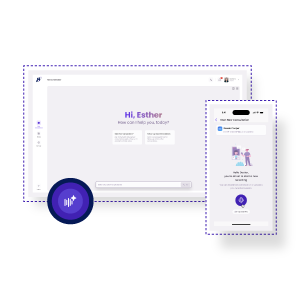
At HealthOrbit AI, we provide tools—even though we’re not an EPR—that integrate seamlessly with existing clinical systems to support MDT needs through structured notes, summaries, and secure collaboration.
Our solution delivers:
- Auto-generated case summaries and SOAP Notes
- Secure, HIPAA-compliant setup for sharing sensitive data
- Quick access from desktop or tablet during MDT meetings
- An intuitive layout that keeps patient understanding at the center
We help clinics prep faster, discuss more effectively, and track decisions reliably—without disrupting clinical routines.
Tips for Choosing the Right Cancer MDT Tool
Look beyond features to usability and integration—that’s what makes the difference between a tool and a workflow partner. When looking for Cancer MDT software, consider the following:
- Does it pull data from your clinical record systems with minimal manual entry?
- Can MDT members review and annotate cases asynchronously?
- Does it support imaging and pathology side by side?
- Is the platform intuitive enough for clinicians to adopt without major training?
- Does it record decisions and follow-up activities in a traceable audit log?
Final Thoughts
Cancer MDTs save lives—but only when they operate with clarity, collaboration, and efficiency. The right cancer MDT software transforms chaotic prep and decision sessions into structured, reliable care planning.
Whether you’re at a large academic trust or a regional cancer centre, making MDT software in patient care is no longer optional—it’s essential to better outcomes and clinician health.
With tools like HealthOrbit AI supporting documentation and presentation, teams are learning to prep faster, decide better, and miss less—all in pursuit of safer, smarter care.
FAQs
What is cancer MDT software used for?
It centralizes patient data and structures case information so teams can prepare and make decisions efficiently during Multidisciplinary Team meetings.
Does it replace oncologists or specialists?
No. These tools support professionals by organizing data and improving clarity—but all final decisions remain with clinicians.
How do multidisciplinary team meeting tools improve efficiency?
They automate case prep, track missing information, and allow teams to review cases before meetings—saving time during discussions.
Is HealthOrbit AI part of cancer MDT software?
While not a full MDT platform, HealthOrbit AI provides structured case summaries and SOAP Notes that integrate well into MDT workflows.
Can these tools help reduce errors?
Yes. By standardizing case review and flagging incomplete data, they help prevent missed details and ensure consistent decision-making.