

Individuals who enter a clinic are carrying more than symptoms. They have anxieties, misunderstandings, and questions that they are usually afraid to ask. This is where patient communication becomes one of the strongest tools a doctor has. Easy communication will result in improved diagnosis, better follow-ups, and better health outcomes.
Technology is assisting clinicians today to intensify these dialogues without losing the human element. The doctors are now being assisted by smart tools that help them simplify instructions, organize and organize the messages that patients have to send, and eliminate the gaps that tend to create misunderstandings.
How AI Reduces Patient Anxiety and Increases Trust?
Patients are relaxed when they understand the information. They trust the care plan. They are more confident when it comes to instructions. Tools designed for patient communication with AI help doctors explain things in simpler words, reduce confusion, and keep patients updated without delays.
A JAMA study found that patients reported lower anxiety and higher clarity when receiving AI-generated post-visit summaries compared to traditional discharge sheets. This helps create trust since communication is never in a hurry or unfinished.
Barriers That Commonly Disrupt Clear Doctor-Patient Conversations
It happens that even the most skilled doctors are occasionally influenced by a communication breakdown. They are not lazy, and that is that in the real world, employment is not smooth sailing; it is erratic, and there are some surprises. Below are the most common barriers that impact doctor-patient communication and how they affect patient understanding.
Medical Terminology That Confuses Patients
Physicians use clinical jargon daily, and most patients are listening to something new. Such terminologies as chronic, acute, viral load, or lesion are common to clinicians but baffling to patients. A supportive patient communication system helps simplify explanations so patients feel more confident about their care plan.
Overloaded Appointments
The vast majority of appointments take no more than several minutes. Physicians make their best attempts to clarify everything, yet due to time constraints, discussions are hurried. Unasked questions by the patients go away. With workflow pressure rising, clear communication with patients becomes harder than it should be.
Written summary, reminder, and post-visit instructions can be assisted by the use of tools that can be used to fill the gaps left when short visits are made.
Hearing or Cognitive Limitations
Some patients have difficulties in recalling instructions. Some of them find it difficult to listen or internalize (rapid) explanations. In these cases, messages delivered through a patient communication app ensure nothing is forgotten after the appointment is over.
Stress and Anxiety
Where individuals are in a state of stress, they recall less. Even simple instructions are complicated in case of anxiety. Short follow-ups through a secure HIPAA-compliant patient communication tool can make a huge difference in reducing confusion.
What are the Benefits of Strong Patient Communication Skills?
Communication is not merely a nice-to-have aspect. It directly influences the results, safety, patient satisfaction rates, and patient loyalty in the long term. Here’s what strong and consistent patient communication does for clinical teams:
- Enhances patient satisfaction.
- Minimizes follow-up calls.
- Enhances medication adherence.
- Prevents misunderstandings
- Enhances doctor-patient trust.
- Assists the patient in adhering to his care plans.
- Helps to recover and have long-term health.
The best AI tools for patient communication give clinics a smoother way to stay connected without adding extra workload on staff.
How HealthOrbit AI Helps in Better Communication?
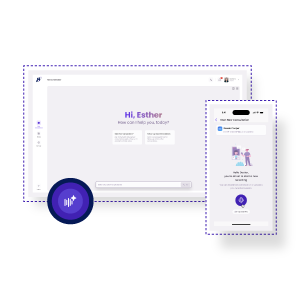
HealthOrbit AI is designed to make communication clear, simple, and patient-friendly. It supports doctors by organizing messages, simplifying instructions, and making every step of the care journey feel more connected. Here’s how HealthOrbit AI balances AI innovation with patient privacy:
- Easy-to-understand post-visit summaries
- Clear appointment reminders
- Patient-friendly instructions
- Reduced chance of confusion
- Smooth messaging between the clinic and the patient
- HIPAA-compliant communication
- Support for multilingual or complex cases
Why Patient Communication Matters More Than Ever in Modern Care?
Healthcare has changed. Patients expect faster responses, clearer instructions, and easier access to information. They compare healthcare experiences to the convenience they get in other parts of life, banking apps, online delivery, and mobile bookings.
Strong doctor-patient communication isn’t optional anymore. It’s the foundation of trust. A modern patient communication platform helps clinics:
- Prevent mistakes
- Improve patient experience
- Reduce administrative load
- Increase transparency
- Build stronger patient relationships
Future of Patient Communication With AI in Clinical Settings
The next few years will change how clinics connect with patients. Here’s what’s coming:
- Real-time visit summaries written in simple patient language
- Automatic follow-up instructions delivered instantly
- Personalized reminders based on patient conditions
- Translation support for multilingual families
- Smart alerts for missed appointments or risks
- More accurate documentation that improves communication clarity
Conclusion
A good beginning to good care is communication. As physicians and patients clearly communicate with each other, all things become better: health outcomes, trust, satisfaction, and follow-through.
With simple tools that support patient communication, clinics can share information more clearly, reduce confusion, and make every patient feel heard. HealthOrbit AI unites all these and makes conversations with people human, safe, and easy to understand.
Want better patient communication and better outcomes? Book a demo of HealthOrbit AI and see how an ambient AI scribe can capture your consultations while you stay fully focused on your patients.
FAQs
Why is patient communication important in healthcare?
It builds trust, reduces confusion, and helps patients follow their care plans correctly.
How does a patient communication platform help doctors?
It organizes messages, simplifies instructions, and keeps communication consistent.
Can communication tools help anxious or overwhelmed patients?
Yes. Clear written reminders and follow-ups help patients understand instructions better.
Is digital communication with patients secure?
Only when using a HIPAA-compliant patient communication system or tool.
How does technology improve doctor-patient communication?
It removes delays, simplifies instructions, and provides clear summaries that patients can revisit anytime.