

There is a costly problem sitting inside the revenue cycle of many UAE hospitals and clinics, and it often gets less attention than it deserves. Every week, claims are submitted and then sent back, rejected before proper review even begins. The result is delayed payment, more rework, and added pressure on already stretched billing teams.
For healthcare providers in the UAE, claim rejection is not an occasional inconvenience. It is a recurring and measurable revenue problem. The most frustrating part is that much of it is preventable.
What Claim Rejection Means In The UAE Context
A rejected claim is one that a payer, whether an insurer, third-party administrator, or government payer, refuses to process at all. It does not reach clinical review. It gets returned because something in the submission is missing, incorrect, or non-compliant with payer requirements.
This is different from a denial. A denied claim is processed and then ruled ineligible. A rejected claim happens earlier and, in most cases, for reasons that have nothing to do with the care delivered.
In the UAE, providers work across a complex multi-payer environment. DHA-regulated facilities in Dubai, DOH-governed providers in Abu Dhabi, and clinics dealing with a mix of private insurers and TPAs all face different submission rules, coding standards, and authorisation requirements. That complexity creates more room for error and more reason to build tighter internal processes.
Why The Financial Impact Is Larger Than It Looks
On the surface, a rejected claim can look like a minor delay. In practice, it triggers a chain of costs that builds quickly.
First, there is the cash flow impact. Rejected claims do not generate payment until they are corrected and resubmitted. For hospitals carrying high fixed costs such as staffing, equipment, and facilities, delayed revenue creates real pressure on day-to-day operations.
Then there is the cost of rework. Investigating the rejection, pulling the original documentation, identifying the error, correcting it, and resubmitting the claim takes significant staff time. Across a facility processing hundreds or thousands of claims each month, that administrative burden becomes substantial.
Some claims also fall through the cracks entirely. Submission windows close. Cases get buried under newer work. Revenue that should have been collected is quietly written off. For UAE providers, working against real financial targets, that leakage directly affects the bottom line.
The Root Causes Behind Most Rejections
The same issues appear again and again when rejection patterns are reviewed across healthcare facilities.
- Incomplete clinical documentation is often the starting point. When physician notes lack specificity, with unclear diagnoses, missing clinical reasoning, or vague procedure descriptions, coders have little to work with. The result is weak or incomplete coding that may not meet payer expectations.
- Coding inaccuracies follow closely. A mismatched diagnosis or procedure code, a missing modifier, or an outdated code applied to a current encounter can all trigger rejection. These are not always coding team mistakes. In many cases, they reflect documentation that did not give the coder enough detail in the first place.
- Missing medical necessity support is another common trigger. UAE payers expect documentation to clearly connect the patient’s condition to the treatment or procedure provided. If that rationale is not properly captured in the clinical note, the claim becomes vulnerable even when the care itself was appropriate.
- Eligibility and insurance verification failures also remain common. A claim submitted for a patient whose cover has lapsed, changed, or was never properly verified can be rejected for a reason that should have been caught much earlier.
- Missing prior authorisations continue to create avoidable problems, particularly for procedures, specialist referrals, and higher cost interventions that require pre-approval in the UAE. If the correct authorisation details are not included, the claim may not be processed at all.
- Payer-specific rule mismatches add another layer of difficulty. Different insurers and TPAs may use different billing logic, formatting expectations, and submission rules. Without a workflow that accounts for those differences, compliance gaps become hard to avoid.
Underneath many of these issues sits a broader operational problem. Clinicians may document in one system, coders may work in another, and billing teams may operate separately from both. When workflows are disconnected, errors build at every handoff.
Prevention Is More Valuable Than Remediation
Most UAE providers already have some form of denial or rejection management process. They have staff who investigate errors, correct claims, and handle resubmissions. That work matters, but it is reactive. It addresses problems only after payment has already been delayed and staff time has already been lost.
Prevention creates a stronger result. It means catching documentation gaps during or soon after the clinical encounter. It means reviewing coding quality before a claim is submitted instead of after it is rejected. It means checking payer-specific requirements as part of the normal workflow, not as a final scramble.
Claims that go out clean the first time move faster through the revenue cycle. Resubmission queues shrink. Billing teams spend less time on correction work. Cash flow becomes more stable. The case for prevention is simple. It reduces avoidable work and protects revenue earlier in the process.
How AI Supported Documentation And Coding Workflows Help
Technology can play a useful role here, especially in the two areas where many rejections begin: documentation quality and coding accuracy.
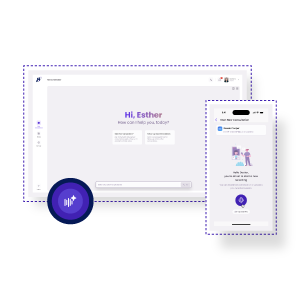
HealthOrbit AI supports UAE healthcare providers with AI-assisted clinical scribing that captures doctor-patient encounters in real time and converts them into structured clinical notes. This helps clinicians produce more complete documentation without adding extra typing at the end of the day. It also gives coders records with the specificity they need to code more accurately.
HealthOrbit AI’s Coding Validator helps teams review documented encounters for coding gaps, mismatches, and documentation issues before submission. That makes it easier to strengthen coding quality earlier in the workflow.
The Claim Scrubber adds another layer by checking for claim-level issues before the claim reaches the payer. This helps reduce the number of preventable rejections caused by technical, administrative, or formatting errors.
Together, these tools support a cleaner claims workflow by improving documentation at the source, strengthening coding accuracy, and catching errors before submission.
The Problem Will Not Fix Itself
Claim rejection rates in UAE healthcare rarely improve on their own. Without deliberate changes to documentation practices, coding workflows, and pre-submission checks, the same problems repeat month after month.
Providers that tackle the issue upstream, at the point of care, and before claim submission, are in a much stronger position than those relying on rework alone. Better documentation supports better coding. Better coding supports cleaner claims. Cleaner claims lead to faster payment, lower administrative burden, and a more reliable revenue cycle.
If your hospital, clinic, or healthcare group in the UAE is ready to reduce preventable claim rejection, HealthOrbit AI’s scribing and coding support is built to help. Start with better documentation. Submit cleaner claims. Protect your revenue.
Sign up Now
FAQ
What is a claim rejection in healthcare?
A claim rejection happens when a payer sends a claim back because something is missing, incorrect, or not submitted in the required format.
Why are claim rejections common in UAE healthcare?
They often happen because of incomplete documentation, coding mistakes, missing approvals, eligibility issues, or payer specific submission errors.
How do claim rejections affect hospitals and clinics?
They delay payments, increase admin work, put pressure on billing teams, and can lead to revenue loss if claims are not corrected in time.
What is the best way to reduce claim rejections?
The best approach is to improve documentation, strengthen coding accuracy, verify insurance details early, and review claims carefully before submission.
How can HealthOrbit AI help reduce claim rejections?
HealthOrbit AI helps providers improve documentation and coding workflows through AI scribing, Coding Validator, and Claim Scrubber, helping teams submit cleaner claims.