
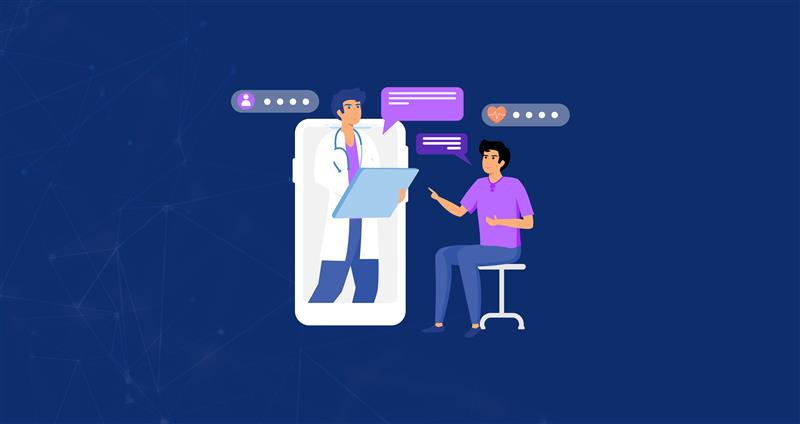
Good healthcare was never about prescriptions, test results; it has always been about communication. Patients desire to see clarity, empathy, and respond fast, and doctors desire to be in an accurate, efficient, and less administrative way. It may not be easy to fill that gap, but new technology is transforming the game.
That’s where AI tools for patient communication step in. They do not substitute the human touch but make it easier; doctors remain connected, patients are educated, and clinics are not prevented by frequent bottlenecks. A 2025 study shows that hybrid chatbot tools (chatbots + human oversight) can reduce hospital readmissions by up to 25%, while significantly improving patient engagement.
In this guide, we’ll explore the 10 best AI tools for patient communication that are helping clinics, hospitals, and small practices thrive.
- HealthOrbit AI
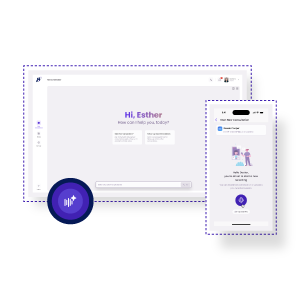
HealthOrbit AI is a healthcare-specific all-in-one solution that is offered in case you are interested in an all-in-one solution. More than just an AI assistant for doctors, it captures conversations with patients, turns them into structured SOAP Notes, and integrates directly into your EHR.
The difference between HealthOrbit and other healthcare applications is the ease with which it connects communication and care delivery. From AI transcription software to billing-ready documentation, it ensures that every patient conversation flows into actionable care.
Pros: HIPAA-compliant, accurate transcription, integrated with Medical Billing Software.
Cons: Works best for clinics that are ready to digitize their workflows.
- Nuance Dragon Medical One
This is one of the most well-known AI scribe tools on the market, widely used for dictation and note capture. It is mostly recognized by its documentation capability, although it enhances communication as the providers can converse freely without typing. Patients can see the difference when their medical practitioner is looking at them rather than a screen.
Pros: Excellent AI transcription software, accurate for medical terms.
Cons: Pricing can be high for smaller clinics.
- Well Health
Well Health specializes in the process of connecting patients and providers by means of multi-channel messaging. It can be SMS, email, or in-app chat, but it has a centralized way of communication in such a way that patients do not feel neglected. This makes it one of the best AI healthcare communication platforms for large networks.
Pros: Strong patient engagement features, great for appointment reminders.
Cons: Can be overwhelming for smaller practices without IT support.
- Lifelink Systems
Lifelink specializes in conversational AI-powered healthcare apps that guide patients through complex care journeys. For example, before surgery, patients receive reminders, educational material, and check-in prompts—all through automated chat.
Pros: Great for patient education and compliance.
Cons: Works better for hospitals than solo practices.
- Heidi Health
Heidi Health is a rising name in AI healthcare communication, offering tools that support intake, triage, and patient follow-ups. Handling routine messaging and documentation reduces the load on care teams and improves response times. Its ability to streamline AI-powered healthcare apps for patient interactions makes it a favorite for busy clinics.
Pros: Great for patient engagement, strong triage automation, supports multi-channel communication.
Cons: Geared more toward larger practices; may feel heavy for solo clinics.
- Babylon Health
Babylon uses AI communication tools in healthcare to offer symptom checkers and patient-facing chat support. Patients can interact with a virtual assistant for quick answers while providers focus on more complex cases.
Pros: Improves access for patients outside clinic hours.
Cons: Not a replacement for direct physician guidance.
- Notable Health
Notable automates repetitive workflows like intake, scheduling, and follow-ups. While it isn’t just about communication, it reduces the burden of back-and-forth calls, making it a valuable AI assistant for medical meetings and patient outreach.
Pros: Automation that reduces admin burden.
Cons: Requires upfront setup and workflow integration.
- Ada Health
Ada is an AI-powered healthcare app that helps patients assess symptoms before contacting their doctor. Its patient-facing communication style helps people understand when to seek care.
Pros: Patient-friendly design, multilingual support.
Cons: Not designed for provider documentation.
- Freed AI
Freed AI has quickly become one of the top AI tools for doctors, focusing on automating clinical note-taking. During patient visits, it listens, structures conversations into accurate notes, and integrates directly into the EHR. For providers overwhelmed by documentation, Freed helps reclaim valuable patient time while ensuring compliance.
Pros: Smooth EHR integration, strong SOAP Notes support, and user-friendly setup.
Cons: Works best with stable internet; still expanding specialty coverage.
- Amwell
Amwell is a telehealth platform that integrates video visits with messaging tools. For practices expanding into remote care, it serves as both a visit platform and a communication tool for patient engagement.
Pros: Robust telehealth features, scalable for systems.
Cons: Competes in a crowded telehealth space.
Why AI Tools for Patient Communication Matter in 2025?
Communication in healthcare is no longer just about calls and paper reminders. With tools like HealthOrbit AI, providers can:
- Reduce missed appointments with automated reminders.
- Simplify SOAP Notes and documentation during visits.
- Streamline billing through direct integration with AI Coding and Billing.
- Improve trust by giving patients quicker, clearer answers.
The best part? These tools don’t feel like extra software—they blend into existing workflows. That’s why the rise of AI in patient engagement is less about flashy tech and more about everyday improvements in care.
Conclusion
Looking ahead, AI communication tools in healthcare will only get better. We’ll see tools that can not only transcribe but summarize, translate, and even predict patient needs before they’re spoken. For clinics that want to future-proof their communication strategy, investing in smarter solutions today is the first step.
And if you’re wondering where to start, HealthOrbit AI is built to bridge patient communication, documentation, and billing all in one platform. It’s not just about messages—it’s about making every conversation count.
Try Now
FAQs
What are AI tools for patient communication?
These are digital solutions that enable better communication between doctors and patients, be it chatbots or transcription and messaging solutions.
How do AI tools for doctors improve care?
They reduce admin time, allowing doctors to focus on patients and ensure that the conversation is documented accurately in the EHR.
Can AI-powered healthcare apps replace human doctors?
These tools aid in communication and efficiency, but do not ever replace clinical expertise.
Which is the best AI meeting assistant for healthcare teams?
For clinical accuracy and integration with SOAP Notes and Medical Billing Software, HealthOrbit AI is the top choice.
Why should small clinics invest in AI communication tools?
They help clinics reduce no-shows, enhance patient satisfaction, and save time on documentation and billing.