

Small medical practices are the lifeline of community health. They’re where families go for checkups, where patients find urgent help, and where trust is built over years. But the truth is, these clinics are under pressure like never before.
Shrinking budgets. Staff shortages. Endless paperwork.
Unlike large hospital systems, small practices don’t have layers of admin support or multimillion-dollar budgets. Yet they face the same regulations, the same documentation requirements, and the same patient expectations. It’s a tough equation.
This is where AI in community healthcare comes in—not as a shiny add-on, but as a survival tool.
How AI in Community Healthcare Changes the Game?
The beauty of AI in community healthcare is that it doesn’t try to replace people—it supports them. For small and rural clinics, this can be the difference between closing the doors or staying sustainable. Here’s how HealthOrbit AI steps in:
- Better Documentation: Conversations are captured and turned into accurate SOAP Notes automatically.
- EHR Integration: Notes sync directly with the clinic’s EHR, so records are always up to date.
- Smarter Billing: Documentation flows into Medical Billing Software, helping avoid coding mistakes and rejected claims.
- More Patient Time: By handling admin in the background, providers get to look up from the screen and connect with patients.
In short, it brings the tools of large systems to local clinics—without the complexity.
The Scale of the Struggle
Burnout and admin overload are no longer hidden problems—they’re visible everywhere.
- A national study found that 43.7% of family physicians experience burnout, with only 47% saying they have enough time for documentation.
- By contrast, smaller independent practices have reported lower burnout rates (13.5% vs. 54.4% nationally), but only because providers take on incredible personal strain to keep their clinics alive.
- Nurses, too, spend nearly 18% of a 12-hour shift (132 minutes) just entering data into EHRs.
When documentation, billing, and compliance take this much time, small clinics are stretched thin. And in rural settings—where access is already limited—the stakes are even higher.
AI for Small Medical Practices: Leveling the Playing Field
AI for small medical practices helps by automating repetitive, time-consuming tasks. Instead of a doctor spending hours typing after-hours notes, the system creates structured SOAP Notes during the visit. Instead of a biller struggling with coding, claims are checked and synced with Medical Billing Software in real time. That means:
- Less paperwork.
- More efficiency.
- Lower overhead.
It’s like giving small practices the same digital toolbox as big hospitals—without the heavy costs.
Community Healthcare Solutions That Actually Work
Technology doesn’t always make life easier. In fact, many small clinics have tried new systems only to end up with clunky software that slows them down.
The difference with HealthOrbit AI is simple: it blends naturally into existing workflows. These community healthcare solutions don’t require a huge IT team or weeks of training. Instead, they:
- Fit seamlessly with current EHR systems.
- Support billing teams with clean documentation.
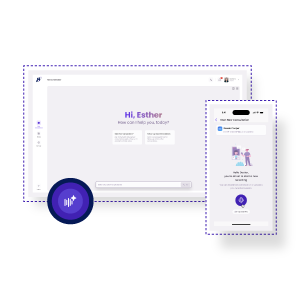
- Offer a built-in AI voice assistant to help capture notes and navigate records hands-free.
For doctors and staff, it feels less like “new tech” and more like finally getting the helping hand they’ve needed all along.
Rural Healthcare AI Tools: Closing the Gap
Access to care in rural areas is shrinking fast. Patients often drive hours to reach the nearest clinic, and those clinics are stretched thin. Staff may be limited to just a few providers handling hundreds of patients. This is where rural healthcare AI tools can make an outsized difference:
Voice Assistant Support for Documentation
One of the most practical features for rural clinics is voice assistant support. Instead of typing notes or clicking through multiple screens, providers can speak naturally during the appointment. Conversations are automatically transformed into structured SOAP Notes, reducing after-hours work and ensuring that no important detail is missed. Most importantly, doctors stay fully engaged with patients instead of being buried in paperwork.
AI Assistant for Admin Tasks
Small rural clinics rarely have large admin teams. That’s why having an AI assistant for admin is a game-changer. From scheduling patient visits to setting reminders and updating records, routine tasks are managed in the background. This lightens the load for providers and staff, making the clinic more efficient without the need for extra hires.
Remote Documentation and Record Accuracy
Many rural practices still rely on outdated systems, and sometimes even paper records. With remote documentation, even resource-limited clinics can keep accurate, digital records that are instantly ready for follow-up. These records can also sync with EHR systems and connect to Medical Billing Software, ensuring compliance and reducing costly errors in claims.
Digital Health for Local Clinics: Starting Small
When people hear “digital health,” they often picture large hospital systems with high-tech dashboards. But digital health for local clinics doesn’t have to be overwhelming. That’s it. No massive overhaul, no expensive IT department required. Just smart tools that reduce the daily grind.
HealthOrbit AI focuses specifically on helping smaller clinics adopt this transformation at their own pace—without the disruption that big systems often cause.
Supporting Local Doctors with AI: A Human Touch
Doctors in small communities aren’t just healthcare providers—they’re neighbors, friends, and often the only line of care for miles. That role is rewarding, but it also carries a high risk of burnout. By supporting local doctors with AI, we give them back the most valuable resource of all: time.
- Time to finish notes before heading home.
- Time to connect with patients face-to-face.
- Time away from screens and admin stress.
AI becomes more than technology—it’s a way of protecting the people who protect community health.
Why HealthOrbit AI Is Built for Community Healthcare?
There are plenty of tech tools on the market, but very few are built with small practices in mind. HealthOrbit AI is different.
Here’s why:
- Simple Onboarding: No complicated setup—clinics can start using it quickly.
- Built for Doctors: Our AI assistant and voice assistant are designed to support, not distract.
- Integrated Workflow: From SOAP Notes to Medical Billing Software to EHR syncing, everything connects.
- Scalable: Whether it’s a one-doctor practice or a multi-provider rural clinic, the system grows with your needs.
Most importantly, we understand the pressure on community care. HealthOrbit AI isn’t about flashy features—it’s about practical survival for the clinics that matter most.
Final Thoughts
Community healthcare is at a crossroads. Small clinics face bigger challenges than ever, but the right tools can keep them alive—and thriving.
AI in community healthcare offers more than efficiency. It gives local doctors and rural providers the ability to focus again on their patients, while easing the burden of documentation, billing, and compliance.
Your clinic deserves better tools. Join us today and check out HealthOrbit AI features.
FAQs
What is AI in community healthcare?
It’s the use of smart tools to help local clinics and small practices manage documentation, billing, and patient care more efficiently.
How does AI help small medical practices?
Automating SOAP Notes, syncing with EHRs, and connecting to billing systems reduces admin work and saves time.
What are rural healthcare AI tools?
These are solutions like voice assistants, digital documentation, and billing support designed to ease the strain on resource-limited rural clinics.
Can small clinics afford these tools?
Yes—HealthOrbit AI is built to be cost-effective and scalable for practices of all sizes.
Why choose HealthOrbit AI for community healthcare?
Because it’s designed specifically for local doctors and small practices, with seamless integration into existing workflows.