Physicians juggle tight schedules, complex cases, and ever-growing paperwork. Despite all this, patient conversations remain the heart of care, yet documenting those visits can pull clinicians away from truly listening. Ambient listening in healthcare addresses this challenge by allowing clinicians to focus fully on patients while structured medical notes are created automatically. The result is more meaningful visits, accurate documentation, and reduced stress outside regular hours.
What Is Ambient Listening in Healthcare?
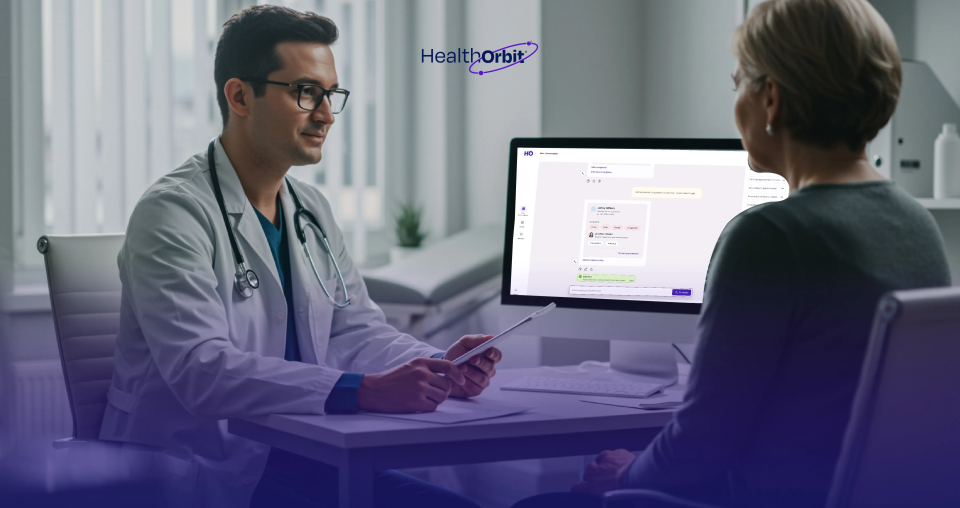
Many clinicians ask what ambient listening is and how it differs from older tools. The idea is simple. It captures conversations between doctors and patients during a visit and helps turn them into structured medical notes. There is no need to pause the visit. No need to speak commands. The conversation flows naturally. After the visit, the clinician reviews the note and finalizes it.
Because of this passive approach, AI ambient listening feature in healthcare feels less like technology and more like a supportive tool. It helps documentation happen alongside care, not instead of it.
How Ambient AI Listens Without Interrupting Care?
The strength of healthcare ambient listening lies in how quietly it works. The system runs during the visit without interrupting the clinician or patient. Doctors speak the way they always have. Patients explain concerns without feeling rushed. Once the visit ends, the captured conversation becomes a draft note. Clinicians review, edit, and approve it. Control always stays with the provider.
This workflow is why ambient listening blends so well into real clinical environments. A survey of over 1,400 physicians at Mass General Brigham and Emory Healthcare found that ambient AI documentation was linked to a 21%–30% reduction in burnout and improved documentation-related well-being.
Benefits of Ambient Listening Technology in Healthcare
Clinics adopt ambient listening technology in healthcare because it solves real problems. It saves time, improves focus, and supports better care delivery.
Less Time Spent on Documentation
Documentation often extends the workday. With the help of ambient listening, the burden of documentation can be reduced. Clinicians spend less time recalling details later and more time reviewing what was already captured. Over time, it helps clinics reduce charting backlogs and keep schedules on track.
More Focus on Patient Conversations
When screens disappear, conversations improve. Doctors listen more closely. Patients feel heard. Important details surface naturally. By removing constant typing, ambient listening in healthcare allows clinicians to stay present and engaged during visits.
Reduced Clinician Burnout
Burnout is driven by long hours and unfinished work. Notes take less time to complete. Mental load drops. With this amazing feature, clinicians often finish their day with fewer tasks waiting for them.
Better Compliance and Audit Readiness
Clear and consistent documentation matters for compliance. The ambient listening feature supports structured notes that reflect what was actually discussed during the visit. When paired with Ambient Clinical Intelligence Enhances AI Scribes, documentation becomes easier to review and audit. Learn how ambient clinical intelligence strengthens clinical documentation:
Enhanced Patient Experience
Patients notice when doctors are fully present. They feel less rushed. Instructions feel clearer. Follow-ups make more sense. This is how ambient listening technology improves patient experience without changing how care is delivered.
How Does It Integrate with EHRs and Existing Healthcare Systems?
Documentation should be useful, meaning that it should be compatible with the existing systems. Ambient listening healthcare integrates with EHR workflows, so notes appear where clinicians expect them.
This reduces duplicate work and keeps records organized. Clinics exploring Ambient AI in EHRs often see smoother documentation flow across teams. With this feature, clinicians can easily upload their data on the EHR system.
Challenges Clinics Face When Adopting Ambient Listening
Adopting any new workflow comes with adjustments. Clinics need training, clear expectations, and strong privacy practices. Common challenges include:
- Learning new review processes
- Ensuring consistent clinician oversight
- Managing consent and privacy requirements
- Choosing tools designed specifically for healthcare
- Aligning workflows across departments
The Future of Ambient Listening in Healthcare Workflows
There is further improvement in ambient listening. The future tools will also have speedier reviews, a more structured and integrated system. The only thing that will not change is the mission: to help clinicians, safeguard patient time, and make care human. That’s why it is becoming a standard part of modern clinical workflows.
What Makes HealthOrbit AI the Right Choice?
HealthOrbit AI is built around real clinical needs. Not shortcuts. Our Ambient AI Scribe supports clinicians by capturing conversations and organizing notes while keeping full control in the provider’s hands. Explore how Ambient AI Scribe from HealthOrbit AI supports clinical workflows:
HealthOrbit AI focuses on clarity, accuracy, and workflow fit. That’s what makes ambient listening practical for everyday use.
Conclusion
The healthcare processes require efficiency without compromising on care. Ambient listening helps clinicians document smarter while staying focused on patients. It is natural to make visits, minimize work after hours, and facilitate conversations and clear notes. If you use it correctly, this ambient technology silently assists in improved care. HealthOrbit AI eases the transition of clinics.
Experience smarter, quieter note-taking. Sign up for HealthOrbit AI Ambient Scribe now!
FAQs
What is ambient listening in healthcare?
It captures clinical conversations during visits and helps create structured medical notes.
Does ambient listening replace clinicians?
No. Clinicians always review and approve notes.
Is ambient listening accurate?
Accuracy improves when clinicians review and finalize documentation.
Can ambient listening integrate with EHRs?
Yes. It fits into existing EHR workflows.
Is ambient listening secure?
When built for healthcare, it follows strict privacy and compliance standards.